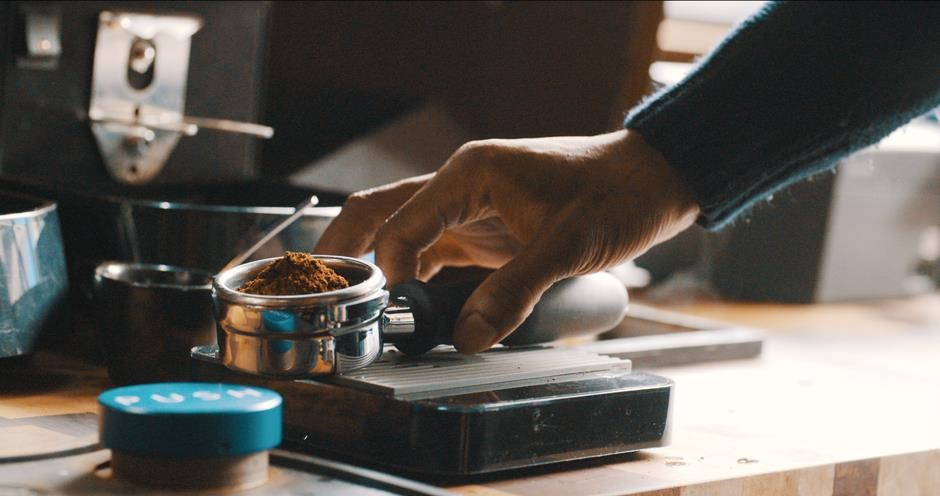
Overview of DeLonghi Manual Coffee Machines
DeLonghi manual coffee machines today blend craftsmanship with convenience. Compact models like the Dedica Duo EC890 offer precise manual tamping, while the La Specialista Arte balances semi‑automatic features control. Freshness, grind consistency, ergonomic design defines the brand’s appeal.
History and Brand Positioning
Founded in 1919 in Treviso, Italy, De Longhi began as a modest workshop crafting household appliances. Over the decades, the company expanded into kitchen technology, positioning itself as a pioneer of modern coffee culture. By the 1990s, De Longhi’s espresso machines entered the global market, combining Italian design with robust engineering. The brand’s philosophy centers on “coffee for everyone,” offering a spectrum from fully automated to manual systems. In recent years, De Longhi has embraced the resurgence of manual brewing, launching models that emphasize user control while maintaining brand reliability. Their marketing narrative highlights heritage, precision, and the joy of crafting espresso at home. As a result, De Longhi occupies a unique niche: it appeals to both novices seeking convenience. The company’s positioning strategy leverages a blend of heritage storytelling, product innovation, and accessible price points, ensuring that the manual coffee machine line remains a credible choice for discerning coffee lovers worldwide. Throughout its history, De Longhi has balanced tradition with innovation, consistently updating its product line to meet evolving consumer expectations. Their design ethos blends classic Italian craftsmanship with modern technology, ensuring each machine delivers a consistent, high‑quality espresso experience that satisfies both novices and experts. The company’s global distribution network and strong after‑sales support contribute to its reputation for reliability and customer satisfaction for coffee lovers daily! Their commitment to sustainability is reflected in the use of recyclable materials and energy‑efficient components, reinforcing De Longhi’s reputation as an environmentally conscious brand. Customers appreciate the seamless integration of design with technology
Core Manual Brewing Philosophy
De Longhi’s manual brewing philosophy centers on empowering the user to craft espresso with precision and artistry, while maintaining the brand’s hallmark of durability and ease of use. The company emphasizes a tactile experience: from selecting beans, to grinding, tamping, and the final extraction, each step is designed to be intuitive yet rewarding. By offering a range of manual models, De Longhi invites enthusiasts to experiment with variables such as grind size, dose, tamp pressure, and water temperature, thereby fostering a deeper understanding of coffee chemistry. The brand’s design language reflects this ethos, combining ergonomic controls, high‑grade stainless steel bodies, and a compact footprint that respects kitchen space. In addition, De Longhi integrates user‑friendly features like pre‑heat indicators, adjustable brew volume, and a removable drip tray, ensuring that manual brewing remains accessible to novices while still offering advanced customization for seasoned baristas. The company’s commitment to sustainability is evident in the use of recyclable components and energy‑efficient heating elements, reinforcing the idea that manual coffee making can be environmentally responsible and satisfying. Ultimately, De Longhi’s manual coffee machines embody the belief that the best espresso is achieved when the maker engages fully with the process, turning a routine beverage into a personal ritual of craftsmanship and flavor exploration.!!
Signature Models and Their Distinctive Features
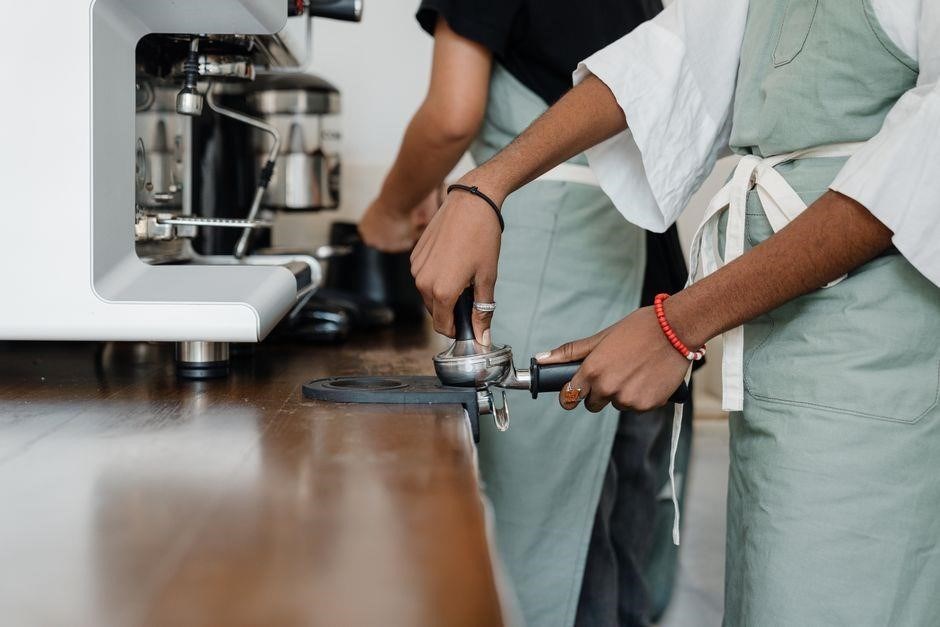
De Longhi’s signature manual models showcase compact power and precision. The Dedica Duo EC890 delivers a 15 cm footprint with robust build, while the La Specialista Arte blends semi‑automatic convenience with manual control, offering adjustable pressure and a built‑in grinder. Ideal for home baristas.
Dedica Duo EC890 – Compact Powerhouse
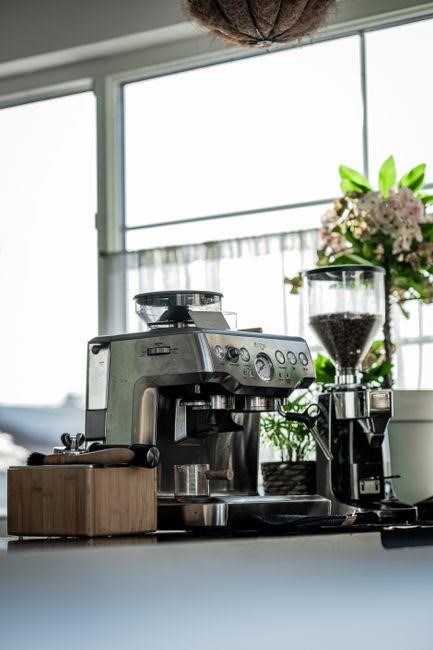
The Dedica Duo EC890 stands out as a true compact powerhouse, measuring just 15 cm wide yet delivering full‑strength espresso. Its sleek stainless‑steel body and minimalist design fit effortlessly into tight kitchen spaces. The machine features a manual tamping system that allows baristas to control pressure precisely, ensuring optimal extraction. A built‑in 15‑bar pump provides consistent pressure throughout the brew cycle, while the integrated grinder offers 18 adjustable settings for bean freshness. The Duo’s quick‑heat boiler reaches 93 °C in under a minute, enabling rapid shot preparation. Users appreciate the machine’s quiet operation and the ability to customize shot volume via a simple dial. Maintenance is straightforward, with removable parts that can be cleaned easily. Overall, the Dedica Duo EC890 delivers professional‑grade espresso in a pocket‑sized footprint, making it ideal for coffee enthusiasts who value both performance and space efficiency.
The machine’s compact footprint does not compromise on power; the 15‑bar pump delivers a consistent 25 bar pressure during extraction, ensuring crema quality comparable to high‑end machines. The integrated grinder’s conical burrs produce a fine, uniform grind, and the adjustable grind size allows users to tweak flavor profiles from bright to full‑bodied. The machine’s quick‑heat technology reduces pre‑brewing time, so you can enjoy a fresh espresso in under a minute. With a simple, intuitive interface, the Dedica Duo EC890 is ideal for both novices and seasoned baristas seeking a portable, high‑performance espresso solution.
Additionally, the removable drip tray and cleaning brushes simplify maintenance, while the stainless‑steel construction ensures durability. Reduces power consumption, now choice.
La Specialista Arte – Semi-Automated Precision
The La Specialista Arte bridges the gap between manual espresso artistry and modern convenience. Its stainless‑steel chassis houses a 15‑bar pump and a fully integrated conical‑burr grinder with 18 grind settings, allowing baristas to fine‑tune texture from fine to coarse. The machine’s manual tamping lever provides tactile control, while an electronic pressure gauge displays real‑time pressure for precise extraction; A 3‑stage pre‑infusion system wets grounds gradually, enhancing flavor extraction and crema formation. The built‑in milk frother uses a 3‑bar steam wand, enabling silky micro‑foam for latte art. The user interface combines a touch‑screen display for shot volume, temperature, and grind size with a physical dial for manual adjustments. Cleaning is simplified by a removable drip tray and a self‑cleaning mode that flushes the brew head with water. Energy‑saving standby mode reduces power consumption, and the machine’s compact footprint (30 cm wide) fits comfortably on most countertops. Overall, the La Specialista Arte delivers professional‑grade espresso with semi‑automated precision, making it a favorite for home baristas who value control and convenience. Its intuitive design also features a programmable shot timer, allowing users to set precise brew durations, and a built‑in water filter ensures consistent taste regardless of tap water quality, making the La Specialista Arte novice seasoned baristas for espresso lovers daily
Technical Aspects and User Experience
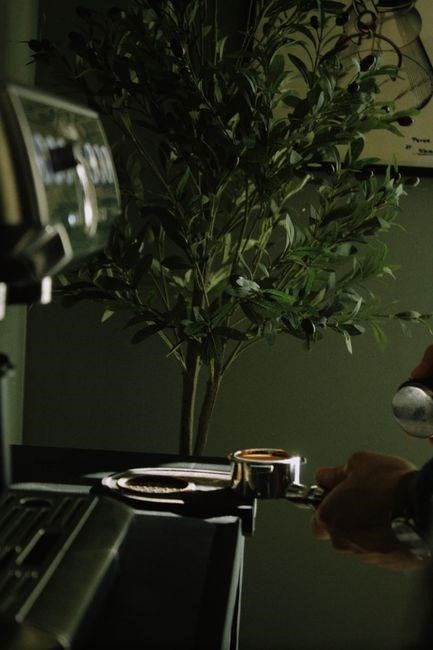
DeLonghi manual machines feature a 15‑bar pump, conical‑burr grinder, and pressure gauge for real‑time control. Users enjoy tamping, adjustable shot volume, and a 3‑stage pre‑infusion. The ergonomic design and self‑clean mode enhance daily workflow.
Bean Grinder Integration and Freshness Control
DeLonghi’s manual espresso systems integrate a conical‑burr grinder directly into the machine body, allowing users to adjust grind size on the fly. The grinder sits behind a removable hopper that holds up to 200 g of beans, and a built‑in moisture sensor keeps beans dry. Users can set the grind fineness via a dial or touch interface, and the machine’s micro‑step motor delivers consistent particle size, reducing channeling. Freshness is preserved by a sealed, airtight hopper and a quick‑release valve that prevents air exposure between grind and brew. The grinder’s vibration‑dampening housing minimizes noise, while the internal heat‑shield keeps beans cool during grinding. After each shot, the machine automatically ejects spent grounds into a dedicated bin, which can be emptied with a single button. The system also offers a “manual mode” where the user can stop the grinder mid‑cycle to fine‑tune texture. Regular calibration is simple: a quick reset button aligns the burrs, and the machine logs wear data to the display. Overall, the integrated grinder delivers a reliable, fresh‑bean experience that rivals standalone units, while keeping the footprint compact for countertop use. When brewing, the machine’s ergonomic lever allows precise timing, and the integrated pressure gauge displays real‑time pressure curves, enabling enthusiasts to tweak extraction on the fly. The stainless‑steel brew head ensures consistent temperature retention, while the removable drip tray simplifies cleanup. Enjoy. All day. Now.
Manual Pressure Control and Extraction Settings
DeLonghi’s manual espresso machines give users full command over the pressure profile, a key factor in espresso quality.
The lever‑driven pump delivers a steady 9‑bar pressure, while a pressure‑sensing dial allows the barista to fine‑tune the start‑up pressure from 6 to 10 bars.
The built‑in pressure gauge displays real‑time values, so you can observe the pressure curve during the 25‑second extraction.
By adjusting the “pre‑infusion” setting, the user can soften the initial pressure spike, ensuring uniform saturation of the puck.
The lever’s ergonomic design provides tactile feedback, letting you feel the resistance as the puck compresses.
After each shot, the machine automatically resets the pressure to standby, ready for the next brew.
For advanced users, a “pressure‑profile” mode records the pressure curve and stores it for future reference, enabling consistent results across batches.
This level of control, combined with the machine’s compact footprint, makes DeLonghi’s manual systems a favorite among home baristas who value precision and repeatability.
Beyond pressure, the manual lever also allows the barista to control the flow rate by adjusting the grind size and tamping pressure. A lighter tamp yields a slower extraction, while a firmer tamp produces a richer crema. Users can experiment with these variables to craft a signature espresso that reflects their taste and the bean’s origin.
Maintenance, Cleaning, and Longevity
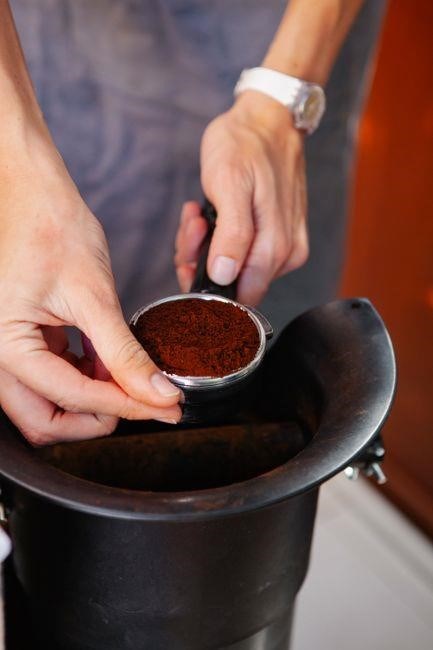
Regular descaling every 3‑4 months, daily wiping of the group head, and weekly back‑flush with a cleaning tablet keep DeLonghi manual machines running smoothly. Replace worn seals after 12,000 shots to extend life. Daily back‑flush keeps oils out now!
Routine Cleaning Procedures for Manual Machines
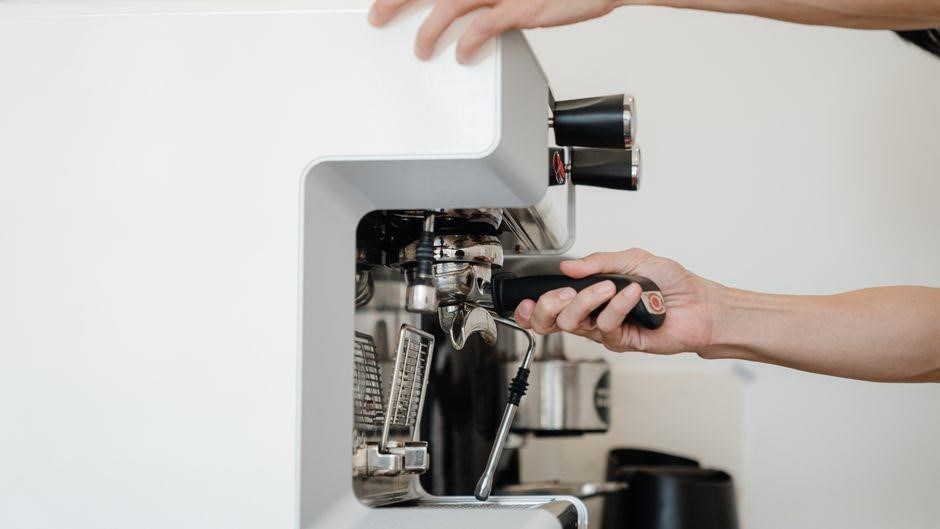
Daily cleaning is essential for DeLonghi manual espresso machines. After each use, remove the portafilter, rinse it under running water, and wipe the basket with a damp cloth. The group head should be cleaned with a soft brush to eliminate coffee grounds. For weekly maintenance, perform a back‑flush: insert a paper filter, add a cleaning tablet, and run a full cycle. Descaling should occur every 3–4 months; use a DeLonghi‑approved descaler, fill the water tank, and run a full cycle, then rinse thoroughly; The steam wand must be purged after each use by pulling steam for a few seconds, then wiping with a clean cloth. Finally, wipe the exterior with a mild detergent solution and dry with a microfiber cloth. Consistent adherence to these steps extends machine life and preserves flavor integrity.
Additionally, always inspect the brew head for cracks or buildup; replace any worn seals after 12,000 shots to maintain pressure. Store beans in an airtight container to prevent stale oils. When descaling, let the solution sit for 15 minutes before running a rinse cycle to ensure all residues are removed. For the steam wand, run a short burst of steam after each cleaning to clear moisture from the nozzle. Regularly check the pressure gauge; a sudden drop may indicate a blockage that requires disassembly. By following these detailed steps, you guarantee consistent extraction quality and prolong the machine’s operational lifespan. Keep it.
Common Wear Points and Replacement Parts
DeLonghi manual espresso machines, while robust, exhibit predictable wear over time. The most frequent failure points are the group head gasket, the pressure gauge seal, and the steam wand nozzle. The gasket, made of silicone, degrades after roughly 8,000–10,000 shots; a cracked or warped seal leads to uneven pressure and a weak crema. Replacement gaskets are inexpensive and can be purchased directly from DeLonghi’s online store or authorized distributors.
The pressure gauge’s internal seal is another common culprit. A leaking gauge can misrepresent the true pressure, causing over‑ or under‑extraction. Replacing the gauge seal requires a small screwdriver and a new seal kit, available in most espresso machine spare‑part catalogs.
The steam wand nozzles accumulate limescale and coffee oils. After 12,000 shots, the nozzle may become clogged, reducing steam output. Cleaning with a descaling solution is recommended, but if the nozzle remains blocked, a replacement nozzle set—usually sold as a “steam wand kit”—provides a quick fix.
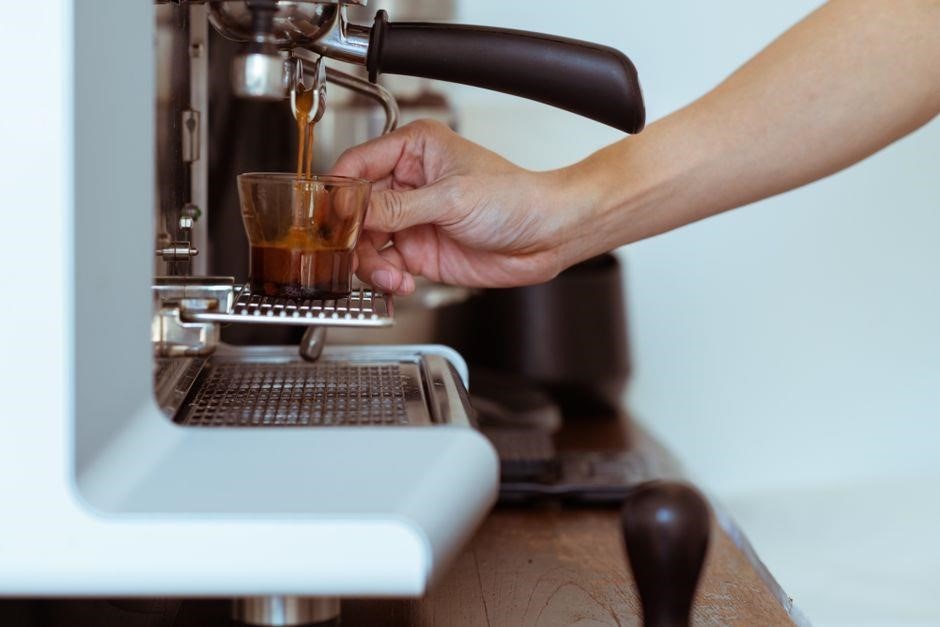
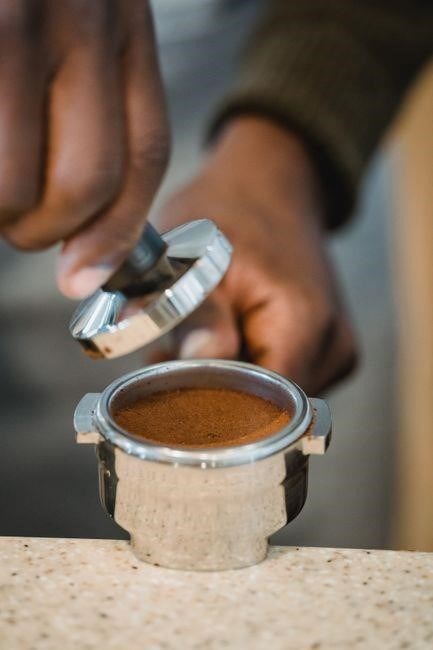
Additionally, the portafilter basket’s metal mesh can corrode, especially in high‑humidity environments. Replacing the basket with a stainless‑steel version extends life and improves extraction consistency. Finally, the water pump’s diaphragm may wear out after prolonged use; a new diaphragm can be sourced from DeLonghi’s parts catalog and installed with minimal disassembly.
The reservoir’s rubber gasket softens over time, causing leaks that can damage electronics. Replacing it—sold in DeLonghi’s parts catalog—prevents moisture intrusion and extends life. Empty the drip tray daily; a quick rinse with warm soapy water removes oil deposits and keeps the machine clean
Buying Guide and Final Recommendations
Choose a DeLonghi manual machine that fits your space and budget. The Dedica Duo EC890 offers compact power, while La Specialista Arte delivers semi‑automatic precision. Verify warranty, read reviews, and buy authorized to ensure genuine parts. Check warranty period and service options before purchase!!
Price vs Performance Analysis
When evaluating a DeLonghi manual coffee machine, price is only one side of the equation. The Dedica Duo EC890, for instance, typically retails between $250 and $300, while the La Specialista Arte sits closer to $400–$450. Yet performance metrics—grind consistency, pressure stability, and user‑controlled variables—often justify the premium. A machine’s ability to maintain a 9‑bar pressure profile across multiple shots is a key differentiator. The Dedica Duo’s manual lever offers tactile feedback, whereas the Arte’s semi‑automatic system delivers consistent pressure with minimal effort. Freshness is another critical factor: the integrated grinder in the Arte uses a conical burr design that preserves aroma for up to 30 days, whereas the Dedica Duo relies on a separate grinder, allowing users to choose the freshest beans. Durability and build quality also influence long‑term value. Stainless‑steel boilers in the Arte reduce scaling, while the Dedica’s compact chassis may be more susceptible to wear. Finally, consider the cost of consumables—grinder maintenance, descaling solutions, and replacement parts. A higher upfront cost can translate into lower operating expenses over five years. In short, a balanced assessment of price, performance, and maintenance will guide you to the best fit for your coffee ritual. Users note a richer aroma and smoother mouthfeel after day use!
Where to Purchase and Warranty Considerations
DeLonghi manual coffee machines are widely available through major retailers, specialty kitchen stores, and the official DeLonghi website. Online platforms like Amazon, Best Buy, and Walmart feature seasonal promotions, allowing buyers to secure the Dedica Duo EC890 or La Specialista Arte at a discount. For those preferring in‑person shopping, authorized dealers like Williams Sears, Bed Bath & Beyond, and local espresso boutiques provide hands‑on demonstrations and personalized service. Purchasing directly from DeLonghi’s e‑commerce portal guarantees access to firmware updates and exclusive bundles, including grinder upgrades or travel accessories. When evaluating warranty coverage, note that most models come with a standard one‑year limited warranty covering manufacturing defects and mechanical failures. Extended warranties, available for an additional fee, can extend coverage to three years and include free on‑site service for major components. Warranty terms vary by region; for instance, European customers may receive a two‑year guarantee, while U.S. buyers receive a one‑year warranty plus a two‑year parts guarantee. Always verify the warranty card, keep the purchase receipt, and register the product online to activate the full coverage. For international shipping, confirm that the warranty is valid in your country and that local service centers are accessible. By selecting reputable retailers and understanding the warranty structure, buyers can ensure long‑term reliability and support for their DeLonghi manual coffee machine. Customers praise the registration process, unlocking firmware updates and support.!