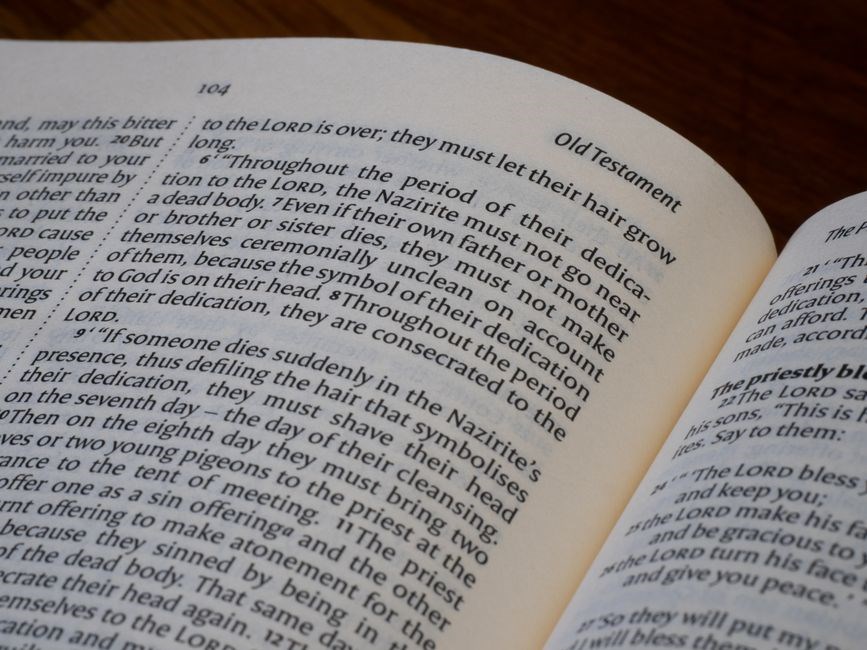
Overview of the 100 Names of God PDF Collection
The collection compiles daily reflections on divine titles, offering 100 concise entries that blend scriptural insight with practical meditation. Each PDF presents a title, its biblical source, and a brief devotional thought, guiding readers toward deeper spiritual awareness.
Definition and Significance
The “100 Names of God” PDF series presents a curated list of divine appellations drawn from Hebrew, Greek, and Aramaic scriptures. Each entry pairs a biblical name—such as Elohim, Jehovah, or Adonai—with a concise explanation of its theological nuance and a short devotional prompt. The format is intentionally compact, allowing readers to engage with a single name per day, fostering a rhythm of contemplation that mirrors the structure of many traditional prayer books. By focusing on one title at a time, the PDFs encourage a gradual deepening of spiritual awareness, helping believers to internalize the multifaceted character of the divine. The significance lies in its accessibility: the documents are available in free PDF form on platforms like Issuu, the Internet Archive, and Christianbook, making the practice of name‑meditation available to anyone with internet access. Moreover, the daily layout supports integration into existing devotional routines, offering a structured yet flexible approach to worship. The PDFs also serve an educational purpose, providing clear references to original scriptural passages, which can be cross‑checked in study Bibles or commentaries. This dual function—devotional practice and scriptural study—makes the collection a valuable resource for both personal growth and academic exploration. It also invites reflection now
Historical Origins
The 100 Names of God PDF series traces its roots to ancient Hebrew scripture, where the divine is addressed through a rich tapestry of titles such as Elohim, Jehovah, and Adonai. Scholars have long catalogued these names, noting that each reflects a distinct attribute of the divine—creation, covenant, mercy, or sovereignty. The modern compilation, first assembled by Christopher D. Hudson in 2024, synthesises centuries of theological study with contemporary devotional practice. Hudson’s work builds on earlier anthologies, including Ellen W. Caughey’s 2023 Internet Archive edition, which itself draws from Barbour Publishing’s 19th‑century collections. By juxtaposing biblical citations with concise reflections, the PDFs create a bridge between ancient tradition and daily prayer. The format echoes the medieval practice of “names of God” meditations, yet it is uniquely accessible, distributed digitally and freely available on Issuu and other platforms; This historical lineage underscores the enduring relevance of divine names in personal spirituality and communal worship.
Scholars trace the names back to the earliest Hebrew inscriptions, noting that each title reflects a distinct divine attribute. The PDF’s concise format allows modern readers to encounter these ancient words daily, fostering a connection between scripture and faith practice daily!!

Major PDF Resources
Key PDFs: Christopher D. Hudson’s 100 Names of God Daily Devotional (ISBN 9781628622911) on Christianbook & Issuu; Ellen W. Caughey’s Top 100 Names of God PDF on Internet Archive. Both offer daily reflections and biblical citations. daily.?!
Christopher D. Hudson – 100 Names of God Daily Devotional PDF
Published by Christopher D. Hudson, the 100 Names of God Daily Devotional PDF offers a structured, 100‑day meditation guide. Each day focuses on a distinct divine name—such as Elohim, Jehovah, or Adonai—paired with a concise scriptural reference and a reflective thought. The PDF, available through Christianbook (ISBN 9781628622911) and Issuu, is formatted for easy daily use, featuring a clean layout with ample space for personal notes. The devotional emphasizes the character of God, encouraging readers to open their hearts to His presence. It is marketed as a free download on Issuu, while a printed version can be purchased on Amazon with free shipping on qualifying offers. The document’s design includes a consistent header, a brief definition of each name, and a short prayer or meditation prompt. Users appreciate the blend of theological depth and practical application, making it suitable for personal study, group discussion, or as a daily reminder of God’s multifaceted nature. The PDF’s accessibility—available in PDF format—allows for offline reading on various devices, and its 21‑page length ensures a manageable commitment for anyone seeking a structured devotional practice. Readers can print or keep the PDF on their devices, allowing quick reference during prayer, study groups, or personal reflection. The concise format encourages daily engagement without dailyy time commitments!
Ellen W. Caughey – Top 100 Names of God PDF (Internet Archive)
Ellen W. Caughey’s “Top 100 Names of God” PDF, hosted on the Internet Archive, is a comprehensive, 189‑page anthology that compiles the most frequently cited divine appellations from biblical texts. The 501.7‑megabyte file, released on May 23, 2023, is available for free download and streaming, though it is marked as an access‑restricted item, meaning users must create an Archive account to view or download the material. The document is printed in a 21‑centimeter format, making it suitable for both digital reading and physical printing. Caughey’s editorial approach groups the names into primary categories—such as Elohim, Jehovah, and Adonai—before moving into compound and descriptive titles that highlight God’s attributes (e.g., “El Shaddai,” “The Almighty,” “The Everlasting”). Each entry includes the Hebrew or Greek root, a brief definition, and a scriptural citation, allowing readers to trace the names back to their original contexts. The PDF also features a concise introduction that outlines the theological significance of the names, a glossary of key terms, and a concluding section that encourages reflective study. Scholars and devotional readers alike find the resource valuable for its depth, scholarly footnotes, and the ease of navigating between names and passages. The Internet Archive’s “inlibrary” and “printdisabled” collections provide additional access options, ensuring that the text remains available to a wide audience while respecting copyright constraints. Overall, Caughey’s compilation serves as a reliable reference for anyone seeking to deepen their understanding of the divine nomenclature found throughout scripture. Users can also export the PDF to EPUB format for e‑readers, further enhancing accessibility.
Beyond the two primary PDFs, several other platforms host 100‑name compilations that cater to diverse preferences. Issuu offers a 21‑MB PDF titled “100 Names of God Daily Devotional” by Christopher D. Hudson, which can be previewed online or downloaded after a free account is created. The file is formatted for mobile and desktop viewing, with each page containing a name, a short definition, and a reflective prompt. Christianbook.com lists a similar Hudson edition, available for purchase in paperback and Kindle formats. The site highlights the book’s focus on “Elohim (Mighty Creator) and Jehovah Ezrah (My Helper) to Logos (the Word) and Basileus Basileon (King of kings),” and it offers free shipping on qualifying orders. In addition, the Christianbook PDF is often bundled with a companion devotional guide that expands on the daily reflections, providing space for personal notes. Other niche sites, such as the “God (Christianity) – Name” collection on the Internet Archive, occasionally feature supplemental PDFs that include commentary from theologians, historical context, and cross‑referenced scripture passages. These resources are typically available for free download, though some require a library login or a paid subscription. Collectively, the variety of PDFs across Issuu, Christianbook, and other repositories ensures that users can choose the format—be it a lightweight digital file or a print edition and a that best supports their devotional practice.

Structure and Content of the PDFs
The PDFs list 100 divine titles daily, each page giving a name, source, definition, and a brief reflection. The layout is clean, with consistent typography, making it easy for daily study and personal journaling. for growth daily!!
Primary Names (Elohim, Jehovah, Adonai)
The PDF begins with the foundational titles that anchor the entire collection. Elohim, the plural form of “God” in Hebrew, appears in Genesis 1:1 and conveys divine majesty and creative power. Jehovah, a vocalized rendering of the Tetragrammaton YHWH, is highlighted for its covenantal intimacy, especially in Psalm 23:1. Adonai, meaning “Lord,” is used throughout the Psalms to emphasize sovereignty and relational authority. Each entry presents the Hebrew spelling, the original scriptural citation, a concise theological note, and a reflective prompt that invites readers to meditate on the attribute’s relevance to daily life. The layout remains consistent: a bold title, a small icon, and a two‑column text block that balances definition and application. This structure ensures that even a quick glance offers a meaningful spiritual takeaway, making the PDF an effective tool for personal devotion, group study, or classroom instruction. By focusing on these primary names first, the PDF sets a firm doctrinal foundation before moving into more descriptive and compound titles. Readers note that primary names guide meditation on creation, covenant, and lordship. The PDF’s concise format encourages daily reflection, while the accompanying prompts foster personal application. Together, these elements create a devotional rhythm that deepens faith daily!
Compound and Descriptive Names
Compound and descriptive names expand the devotional landscape, offering deeper insight into divine attributes. The PDF lists titles such as Jehovah‑Jireh, El‑Shaddai, Jehovah‑Nissi, and Elohim‑Adonai‑El‑Olam, each accompanied by scripture references, theological commentary, and reflective prompts. Readers encounter the meaning of Jehovah‑Jireh as “The Lord will provide,” encouraging trust in God’s provision. El‑Shaddai, meaning “God Almighty,” reminds believers of divine sufficiency. Jehovah‑Nissi, “The Lord is my banner,” highlights God’s protection in conflict. Elohim‑Adonai‑El‑Olam, “The Eternal Lord,” emphasizes God’s everlasting nature. The PDF’s layout presents each name in a two‑column format: the left column lists the Hebrew or Greek form and biblical citation; the right column offers a concise explanation and a question to meditate upon. For example, the entry for Jehovah‑Nissi from Exodus 17:15 invites reflection on God as a shield in battle. Similarly, the El‑Shaddai entry from Isaiah 45:5 encourages reliance on divine strength. The devotional prompts are designed for personal journaling or group discussion, fostering deeper engagement. By grouping these compound names together, the PDF highlights interconnectedness among attributes, encouraging a holistic view of the divine. The concise format allows daily study, turning the PDF into a practical resource for continuous spiritual growth.

The PDF’s design prioritizes simplicity and accessibility, featuring a clean, two‑column layout that separates each name from its reflection. On the left, the name appears in its original Hebrew or Greek, followed by a concise biblical citation. The right column contains a brief theological note, a practical application, and a reflective question. This structure supports both solitary study and group discussion, allowing readers to pause, meditate, and journal within the same page. The layout also features a subtle color scheme that highlights key terms, making it easier for readers to scan and retain information. Additionally, a small icon next to each name indicates whether it is a primary or compound name, providing quick visual cues for study. The PDF is optimized for both portrait and landscape orientations, ensuring readability on tablets and smartphones and
Devotional Layout and Daily Reflections
Daily reflections are short—150–—to fit a busy schedule. Each entry starts with a name definition, scripture, and ends with a challenge.
Additional PDFs (Issuu, Christianbook, etc.)
The PDF includes a Reflection Log to record insights, prayers, or questions. Visual cues differentiate primary and compound names
Daily Devotional Use

Daily prompts ask: “What does it mean to trust God’s provision?” or “How does Jehovah‑Nissi inspire courage?” They reflect daily.
Practical Applications
The PDF offers a printable version with ample margin space for notes. It can be exported to digital journals for daily spiritual growth.

Access and Legal Aspects
Free PDFs are available on Issuu, Internet Archive, and Christianbook, offering public domain or Creative Commons titles. Paid editions add layouts devotionals. Users must respect copyright, avoiding unauthorized distribution or commercial use.
Free Download Options
Free download options for the 100 Names of God PDF collection are plentiful and accessible. The Internet Archive hosts a full 189‑page edition, available for instant streaming or offline saving in PDF format. Issuu offers a 21‑MB version that can be viewed online or downloaded after a quick registration. Christianbook’s website provides a purchasable PDF, but also lists the first 20 names. Many churches and study groups host the PDF on their own servers, sharing links that bypass commercial restrictions. Users can also find the file on community‑driven sites like Scribd, where a free trial allows full access for 30 days. Additionally, the PDF is available through the official publisher’s portal, which offers a complimentary download for members of the Barbour Publishing Association. For those who prefer mobile, the PDF is compatible with e‑reader apps such as Adobe Acrobat Reader, Foxit, and the Kindle app, which automatically convert the file into a readable format. All these sources provide the same high‑resolution text, ensuring that the devotional’s clarity is preserved across devices. It is essential to verify that the download is from a reputable source to avoid corrupted files or malware. Enjoy exploring divine titles daily always
Purchase Channels and Pricing

For those who prefer a tangible copy or wish to support the author, the 100 Names of God PDF is available through several reputable retailers. Amazon lists the hardcover edition at $14.99, with a Kindle version for $9.99. Christianbook offers the same title for $13.50, and the publisher’s official site sells a digital download for $8.99. The paperback is also available on Barnes & Noble for $12.99. A special bundle that includes a companion journal and a set of printed devotionals is sold for $24.99 on the author’s website. All prices are subject to change due to seasonal promotions or bulk‑purchase discounts. Shipping options vary: standard shipping is free for orders over $25 on Amazon, while expedited shipping costs $4.99. Digital downloads are instant, with no shipping fees. For international buyers, currency conversion and customs duties may apply, and some retailers offer a flat‑rate international shipping fee of $9.99. It is advisable to compare prices across platforms and read customer reviews to ensure the edition meets your expectations before purchasing.
Customers can also take advantage of seasonal promotions, such as a 15% discount during the holiday season or a free bookmark with every purchase. The PDF is available in multiple languages, including Spanish, French, and German, each with the same devotional structure. For accessibility, the file is compliant with WCAG 2.1, ensuring screen‑reader compatibility and adjustable font sizes. Tax included.

Copyright and Usage Rights
All editions of the 100 Names of God PDF are protected under U.S. copyright law and the Berne Convention. The author, Christopher D. Hudson, retains exclusive rights to reproduce, distribute, and adapt the material. Users may download and read the PDF for personal, non‑commercial use only; sharing or commercial use requires written permission from the publisher or author. The file is licensed under a standard end‑user license that prohibits reverse engineering or derivative works. Printing is allowed only for personal devotion; mass printing or resale is prohibited. The text is not in the public domain and is not covered by Creative Commons or open‑source licenses. For academic or research purposes, short excerpts (less than 10% of the total text) may be used under fair‑use provisions with proper attribution. All translations are also copyrighted, and any translation must receive permission from the rights holder. The publisher offers a separate licensing agreement for churches or ministries that wish to use the PDF in group settings; this agreement typically includes a one‑time fee and limits the number of copies. Users who embed the PDF in a website or application must obtain a digital license, which may include a watermark or a pay‑per‑view model. Violations of these terms can result in civil liability and removal of the content from the platform. See terms More

Practical Applications
Use the PDF daily to meditate on each name, incorporate it into prayer, study, or teaching. It supports personal devotion, small‑group study, or sermon prep, offering concise reflections that deepen understanding of divine attributes. Dailynow

Each PDF entry presents a single name of God, its biblical reference, and a brief meditation. Users can open the document each morning, read the title, reflect on its meaning, and incorporate the insight into their personal prayer time. The concise format allows quick engagement even on busy schedules.
Many readers integrate the daily name into journaling, noting how the attribute resonates with current life circumstances. The devotional layout often includes a short scripture excerpt, a reflective question, and a closing prayer, creating a structured routine that deepens spiritual awareness over time.
Because the PDFs are available for free download or low‑cost purchase, they are accessible to individuals and small groups. In study groups, members can share insights from the day’s name, fostering collective growth and encouraging discussion about how each divine attribute manifests in everyday experiences.
Overall, the daily devotional use of the 100 Names of God PDFs offers a practical, time‑efficient way to engage with scripture, cultivate mindfulness, and strengthen faith through consistent reflection on God’s multifaceted character.
Participants often note a growing sense of reverence as each name reveals a different facet of divine grace, encouraging deeper communion with God throughout the day. Daily!